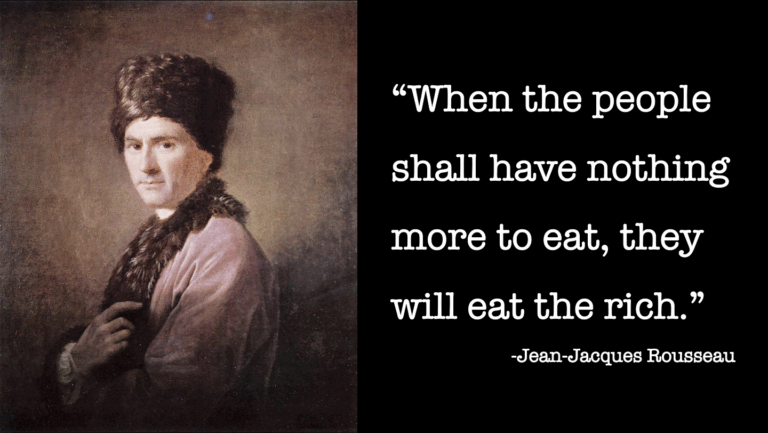
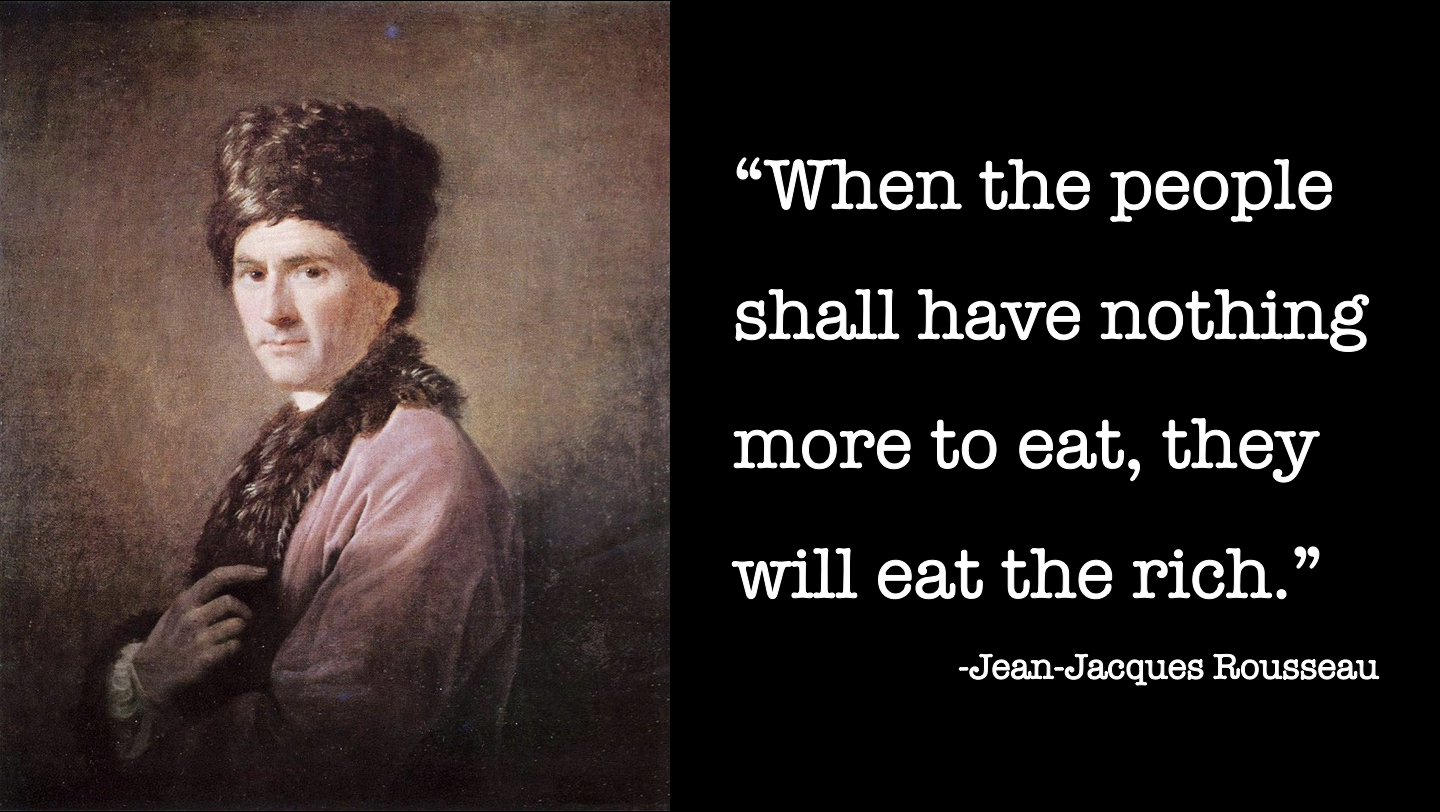
*I had a completely different topic planned for today about using AI responsibly and using it as a tool for wellness, but alas another layoff announcement made me sick to my stomach. Instead I give you this. Back to wellness, next week.
There was a time when layoffs were a last resort, a painful, necessary measure to save a company teetering on the brink of solvency. Leaders made those incredibly hard decisions reluctantly, often after exhausting every possible alternative. It wasn’t taken lightly, because cutting people meant cutting into the very muscle that kept the company alive.
But today, layoffs have become a strategy, not a safeguard.
Companies with healthy profits, record-breaking revenues, and rising stock prices now announce “restructurings” as if they’re badges of discipline. CEOs are celebrated for “right-sizing” and “creating shareholder value” while thousands of employees lose their jobs. The markets cheer, stock prices jump, and the executive class moves on to the next quarterly earnings call—mission accomplished, often rewarding themselves with extra bonuses.
Somewhere along the way, we confused fiduciary responsibility with short-term optics, and we started idolizing CEOs as if they were sports stars instead of stewards of people’s livelihoods.
The Cult of the CEO
The rise of CEO iconism has played a huge role in this shift. Media, shareholders, and even employees began to view the CEO not just as a leader but as the brand itself. When the leader’s reputation becomes tied to investor confidence, decisions start being made to preserve that image—not necessarily the company’s long-term health.
These modern “celebrity CEOs” often chase the next quarterly headline instead of sustainable progress. Their compensation packages are designed to reward immediate gains—often through cost-cutting measures like layoffs—rather than the patient, people-first investments that build resilient organizations.
In this environment, mass layoffs become a signal of decisiveness, not desperation. It tells Wall Street: “We’re disciplined. We’re efficient. We’re serious about profit.”
But it’s an illusion. A company can’t cut its way to greatness.
The Hidden Cost of a “Strategic Layoff”
When layoffs are used as a lever for short-term performance, the real cost is invisible—at least at first.
You lose trust. You lose creativity. You lose institutional knowledge and loyalty that no metric can quantify.
What some leaders have forgotten about people first, is that customers are people too. Richard Branson, had it right when he said, “take care of your employees, and your employees will take care of your customers.” Same goes for shareholders. When employees and customers are happy, shareholders will also win. When you focus only on the shareholders and wall street, everyone loses.
Survivors of layoffs often experience what’s called “layoff survivor syndrome”—increased anxiety, reduced engagement, and a deep-seated fear that they’re next. Productivity might spike temporarily out of panic, but innovation and collaboration plummet. Plus, leaders seldom adjust the workload, so the people left have more on their plate and face inevitable burnout.
It’s like burning your furniture to stay warm. It works for a night—but what happens when you wake up in the ashes?
Fiduciary Responsibility Should Include People
We’ve accepted the idea that a CEO’s primary duty is to maximize shareholder value. But that interpretation is both outdated and incomplete.
Fiduciary responsibility should mean protecting the long-term health of the enterprise, which includes its people, culture, and social footprint. Shareholder value can’t exist without stakeholder value—employees, customers, and communities are all part of that equation.
The most successful companies of the future will be those that understand that people are not a cost center, they’re the strategy. Retaining talent, building culture, and fostering psychological safety don’t just feel good, they’re competitive advantages in a world where trust and innovation are currency.
We All Lose When People Become Expendable
When companies normalize layoffs as “business strategy,” we all lose something bigger than jobs.
We lose stability in our communities. We lose faith in the social contract between employer and employee. We lose the sense that work can be both productive and humane.
The irony is that the very CEOs who make these “strategic cuts” to please shareholders often erode the foundation of what makes companies valuable in the first place: human energy, creativity, and loyalty.
The Way Forward
It’s time to redefine what good leadership looks like. Courage isn’t found in slashing headcount to make the numbers—it’s in having the vision to create long-term stability and the integrity to value people over quarterly applause.
Because when leaders treat people as disposable, they shrink the future of their own organization. But when they lead with stewardship and courage, they build something that outlasts stock cycles, something that actually matters.
Five Things You Can Do Right Now
If we want companies to value people, we have to stop rewarding the ones that don’t. Every purchase, subscription, and click is a vote for the kind of world we want to live in. Here are five ways to start making your values visible:
- Cancel subscriptions that fund mass layoffs. If a company continues to cut jobs despite record profits, consider walking away. For example, cancel Amazon Prime and redirect your spending to local or independent retailers. It sends a message more powerful than a tweet.
- Buy from small and mid-sized businesses. Shop your local farmers market, independent bookstore, or family-owned café. When you spend locally, you’re supporting real people, neighbors, who reinvest in your community. Best yet, use cash so that the business gets ALL the money and doesn’t send 3% to a processing bank.
- Support B Corps and employee-owned companies. These organizations commit to balancing profit with purpose. Each purchase helps build a business ecosystem that values sustainability, fairness, and people over profit margins. Some recognizable examples include Patagonia (outdoor gear and apparel committed to environmental activism), Eileen Fisher (sustainable fashion and employee ownership initiatives), Allbirds (eco-conscious footwear company reducing carbon emissions), and Dr. Bronner’s (organic body care and fair-trade pioneer). Each purchase from these brands supports a business model that values people over profits.
- Use your voice at work and online. Talk about how layoffs impact morale, productivity, and trust. Ask hard questions during shareholder meetings, networking events, and social conversations. Culture changes when people speak up.
- Invest your money where your heart is. Move your investments, retirement funds, or savings toward socially responsible funds or local credit unions. When capital flows toward ethical businesses, those are the ones that grow. For example, after many years, I no longer do business with Wells Fargo and Bank of America, two banks known for fraud and unethical business practices. There are plenty of better banks, including Charles Schwab that take your banking security serious and even refund your ATM fees all free of charge.
The bottom line
When we stop cheering for CEOs who treat people as expendable, and start supporting businesses that treat people as essential, we begin to shift the system from the ground up.
Every purchase is a whisper—or a roar—about the kind of economy we want to build next.
Recently when Jimmy Kimmel was taken off the air, people rallied and canceled their Disney+ subscriptions. The revolt was loud and clear. So much, in fact, that less than a week later, Kimmel was back on the air. Don’t ever think that your vote doesn’t count. Every dollar you spend casts a vote. Use your power wisely.
***
Did this topic add value to you? Please like and subscribe if you want more topics like this, or DM me. I always love suggestions and feedback!
Yvonne Lee-Hawkins, IPHM, is a holistic Wellness coach, facilitator, writer, and mother who spent 20 years in corporate and leadership functions while also being a wife and mom to three amazing kids. You can find out more on her website, or follow her on Instagram, LinkedIn, or Medium. If you are ready to elevate your life, schedule a call here.
Lastly, sharing is caring. If you know someone who would benefit from this article, please forward it to them!