There’s a moment in every organization where someone thinks it. Maybe in a meeting, maybe filling out a process form for the fifteenth time, or maybe watching a good employee walk out the door over something entirely preventable. Why are we still doing it this way?
Most people think it. Few people say it out loud. Even fewer do something about it.
That gap — between thinking it and doing something about it — is where careers can stall, cultures turn sour, and companies quietly lose their best people.
I’ve spent my career living in that gap.
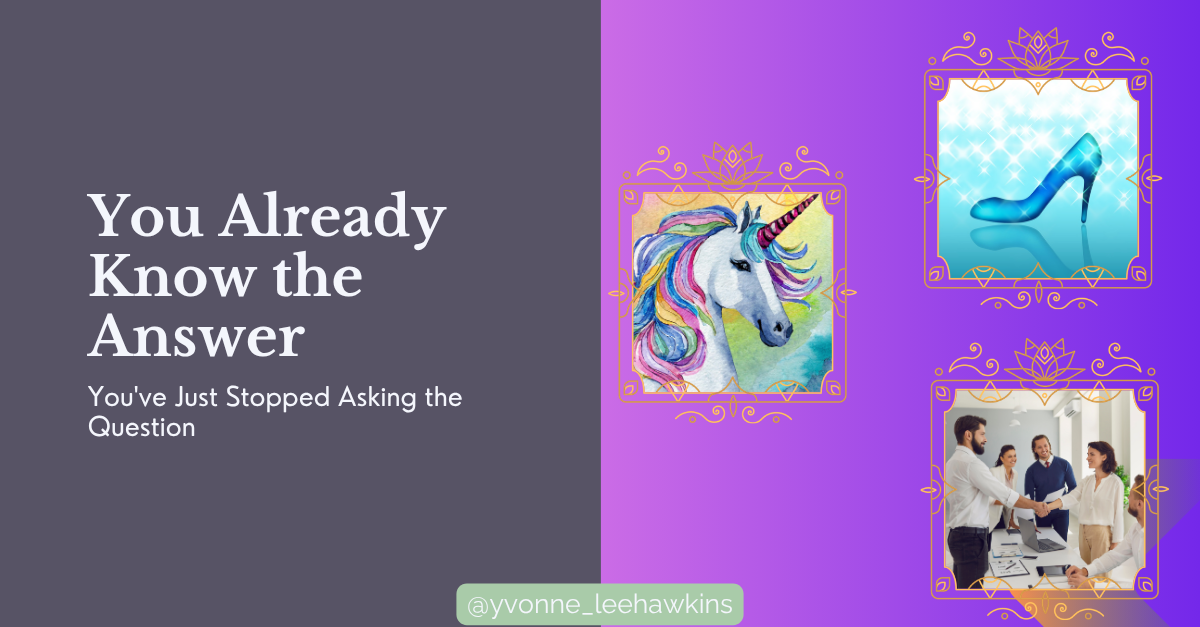
In professional circles, people often call me a unicorn. Their words, not mine — but I’ll take it. What makes me unusual isn’t a rare skill set or some unique talent. It’s something much simpler and, honestly, a little annoying at times. I never stopped asking questions most people eventually do.
I didn’t start my career in HR. I came from the business — as an Operations leader and Strategic Senior Program Manager — which means I walked into HR already knowing what it felt like to be on the receiving end of a policy that made zero sense to me. That experience informed how I lead. I’ve since worked deep in the HR core: compensation, benefits, mobility, and business partnering. But I never lost the Operations instinct that drove me there — the one that refuses to accept the six words of death to any organization “that’s just how we do it.”
I call it The Three-Year-Old Phase, and I use it every time I join a new team.
It sounds like this: Why do we do it that way? When did this process start? Is it still working? Have we ever tried anything different? Have we asked employees what’s broken — and how they’d fix it if they could?
Embarrassingly simple questions. Which is exactly why almost no one is asking them.
Here’s what happens inside most organizations: you join with fresh eyes, notice a dozen things that don’t make sense, and then… slowly, almost invisibly… you get absorbed into the dysfunction. You get busy. You learn the unwritten rules. You stop pushing on the things that push back. You acquiesce, quietly and gradually, until the day you realize you’ve become the status quo.
It doesn’t make you a bad employee. It makes you human. Systems are designed to absorb you.
But it doesn’t have to be that way, and I’d challenge that you can make it better. You can make the difference.
Three Things You Can Do Today to Be Your Own Unicorn
- Pick one thing that frustrates you and ask WHY it exists — just 20 minutes. Pick one process, meeting, or policy you interact with regularly and ask: Why does this exist? Is it still solving the original problem? What would I change if I could? Write it down. You don’t have to fix it today. You just have to stop accepting it on autopilot.
- Ask one person who’s newer than you what they find confusing. Fresh eyes see what absorbed eyes miss. A new team member, a recent hire, even a new client — their confusion is data. Their friction points are your organization’s blind spots. Ask them. Then actually listen. Then decide to address it.
- Reconnect with the thing that made you care in the first place. Unicorns aren’t real. They just describe (in this case) people who are willing to go against the norm. They’re driven by genuine investment in people and outcomes. When you remember why the work matters to you, the inconvenient questions come back naturally — and so does the courage to ask them.
I learned a long time ago (thanks to the Brothers Grimm) that cutting off my toes to fit in the shoe doesn’t get you the prize. The shoe either fits or it doesn’t. And the people who are brave enough to keep asking questions find the right fit, and help others do the same.
That’s the work I do as a coach. If you’re not sure where you fit, or you feel like one of Cinderella’s step sisters trying to make it work, maybe it’s time we talked.
The right company/team/environment will allow you to ask the important questions and support you in making impactful change. The wrong ones will hire you to fix something and then expect you to get in line like everyone else.
Let’s find you the right one.
***
Did this topic add value to you? Please like and subscribe if you want more topics like this, or DM me. I always love suggestions and feedback!
If you think you might be ready for a career change, take my Career Assessment HERE.
Yvonne Lee-Hawkins is a Holistic Career & Burnout Coach supporting high-performing professionals through career transitions, leadership challenges, and burnout recovery.
She also helps recent graduates land their first career. You can find out more on her website, or follow her on LinkedIn, Medium, or Instagram.
If you know someone who could use help beginning or transforming their career, have them schedule a call here.